After reading the article and the EDCI 136 class video on accessibility, I realized that active learning and using multimedia can support demonstration at the beginning of the learning process. Based on these factors, we also need to think about how to design learning activities to support student learning. Therefore, accessibility is one of the most important factors that can support student learning, and it plays an important role in the learning process. Sometimes people might overlook learning design, including design context and accessibility. This means that throughout the learning process, there should be no unnecessary barriers for learners; the goal is to provide a friendly, supportive environment for all learners with diverse needs.
I have truly understood how important design context and accessibility are. These should be well designed and should support students in all aspects before learning begins, rather than being treated as a remedial measure. That being said, students should not face any barriers during the learning process. Therefore, the goal of learning design should include accessibility, which can reduce potential barriers that might negatively affect student learning. For example, including subtitles in videos, ensuring the video speed is suitable for learners who need more time to understand, and providing alternative text for images. These factors can affect student learning; therefore, if we consider them early in the design process, students’ learning experience and learning efficiency will greatly improve.
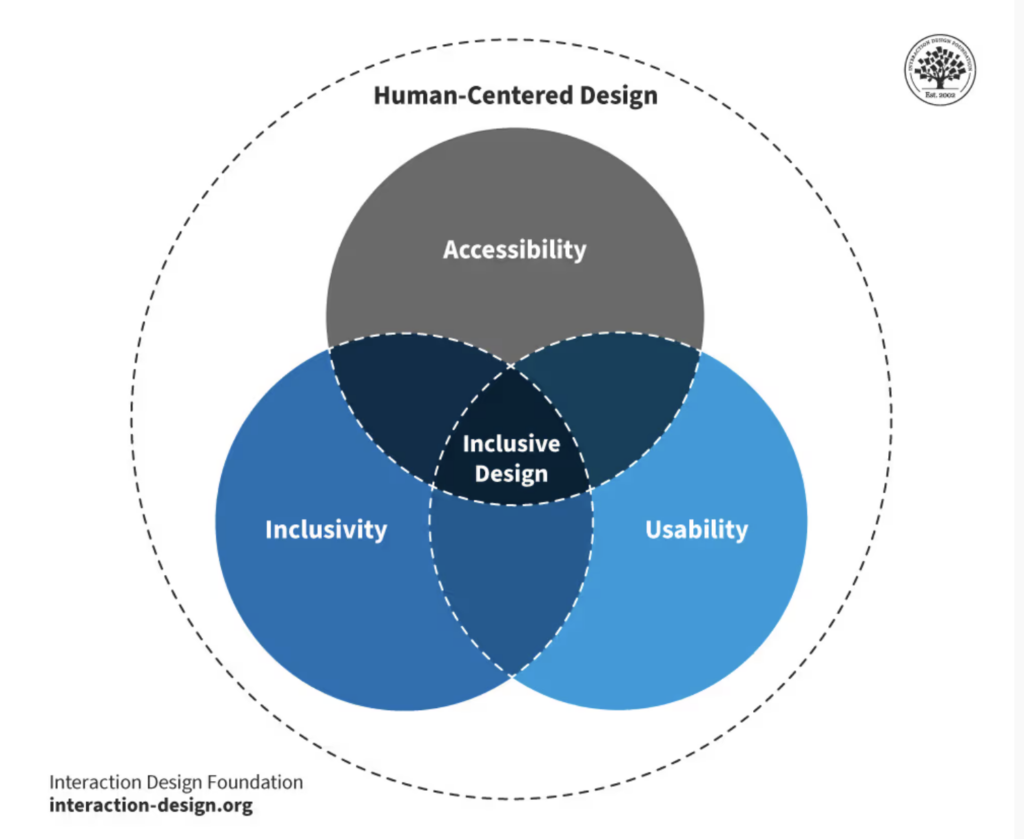
I will use Microsoft as an example, as it is one of the biggest and most successful companies in the world. They truly understand how different people respond during the learning process.
I would like to quote one thoughtful line from the video: “People approach problem-solving differently. Some people learn by trial and error, poking around to make something work. Some people learn by reading or watching videos and taking a step-by-step approach. Some people require absolute silence to focus, while others thrive on noise and energy.”
This shows that different people have different needs. Therefore, planning ahead before the learning process is necessary, and it can help people have a better learning experience.
Therefore, including elements like UDL in the learning process can benefit all kinds of learners. UDL provides multiple representations, so it can support different types of learners. This approach can reduce barriers by offering alternative learning pathways. For example, including text, visuals, audio, or interactive elements can support learners with different needs. However, one thing we need to be aware of is that while UDL provides different learning pathways. But it should not overwhelm learners or distract them from learning. Therefore, including alternative text for images ensures that learners with visual impairments will be able to access the same information. Videos allow learners to engage with content differently. Therefore, it is important to understand that more media is not always beneficial in learning. We need to balance learners’ needs with the learning goals.
In order to ensure learners with visual impairments can access the same information in the learning process, I would include clear text for images. If charts or diagrams are used during the learning process, it is important to include a text-based summary so that learners using screen readers can receive the same information. Moreover, it is important to design a clear layout and use appropriate colour contrast. These elements can help learners have a better learning experience. Lastly, I would ensure all content is screen-reader friendly and provide audio descriptions for essential visual content.
In conclusion, I think a well-designed learning process involves many factors to be aware of. Active learning and multimedia are foundational to the learning process, and the way you design the learning experience depends on how intentionally it is planned. Through the reading, I truly understand that thoughtful design choices can reduce barriers and support meaningful participation for all kinds of learners.
Interaction Design Foundation. (2016, August 16). What is Inclusive Design?. Interaction Design Foundation. https://www.interaction-design.org/literature/topics/inclusive-design
Leave a Reply