In today’s topic, the speaker has focused on the relationship between digital literacy and democracy. Before I listened to the speaker, I had never thought of the relationship between digital literacy and democracy. I don’t even know if there is a strong relationship between.
In this video, I think this helped me to understand more about the relationship between digital literacy and democracy.
https://youtu.be/YzCdSjdYmA8?si=teXtInf15nEURF1G
In the speaker’s speech, she mentioned how misinformation and manipulation can directly affect democratic participation, which I had never thought of. This has made me think about how Canada has been working on this issue since misinformation is a common issue in today’s society. Furthermore, AI is a powerful tool that can create some fake information. The thing is Ai can even create a fake video that can mislead people. This makes me really curious how Canada stops or prevents this issue.
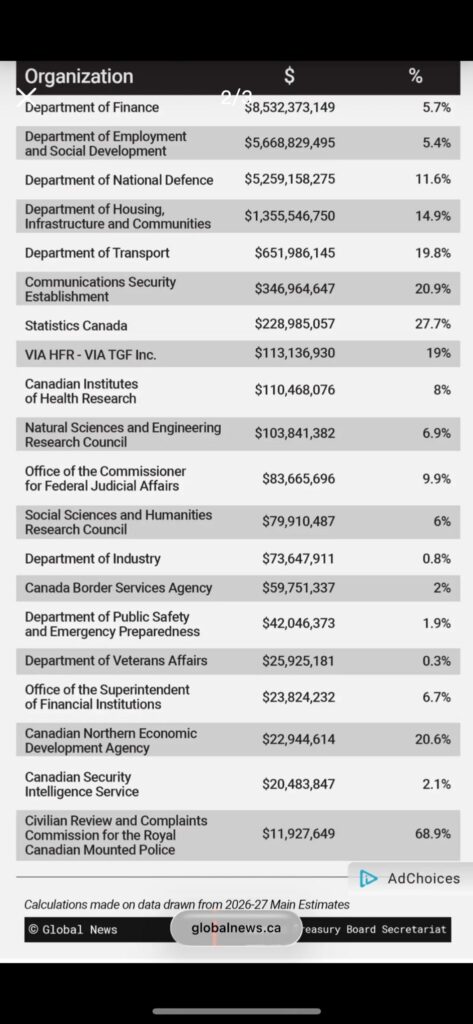
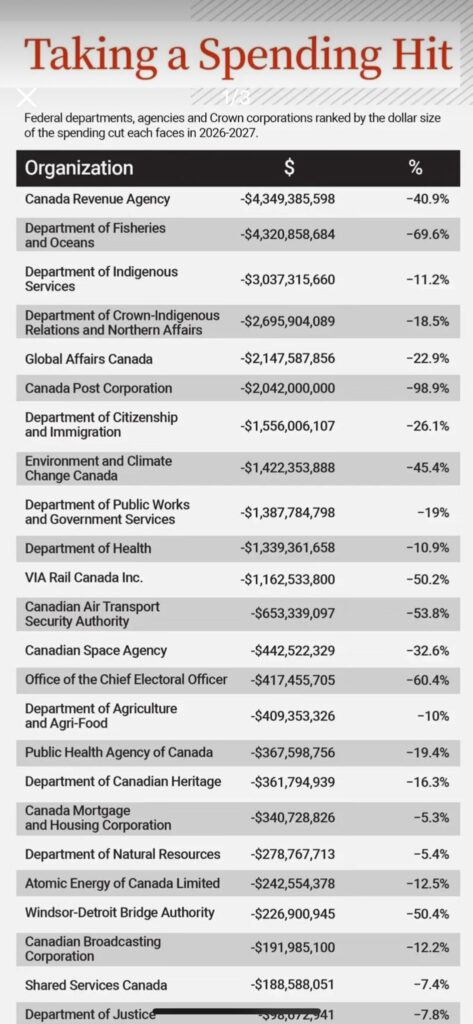
From this findings table, I think this also proves that Canada is focusing more on protecting the country than before. I think it is still not too late, as long as Canada has realized the importance of making sure Canadian citizens are protected and receive the right information from reliable platforms. One more interesting thing I have noticed in Canada is that people cannot see BBC News on social media. I think there must be a reason why, and that also makes me curious.
I like that the speaker provided some examples of how parties use social media or AI to influence people when they have to pick a side. Digital tools can be used to manipulate public opinion in subtle ways. For example, the speaker mentioned that some parties use WeChat and fake images meant to damage political reputations.
As a student or a citizen, we also need to be aware of how to choose what information we can trust. I think choosing reliable sources and making sure we have checked whether the information is real before trusting it is very important.
Leave a Reply